Local guide / Salt Lake City, UT
Spring Runoff Flooding in Salt Lake City: A Homeowner Guide
A big snow year in the Wasatch is great for skiing and hard on creekside basements. How to check your risk, where to get sandbags, and what your insurance probably does not cover.
Free to call. Lines open 24 hours.
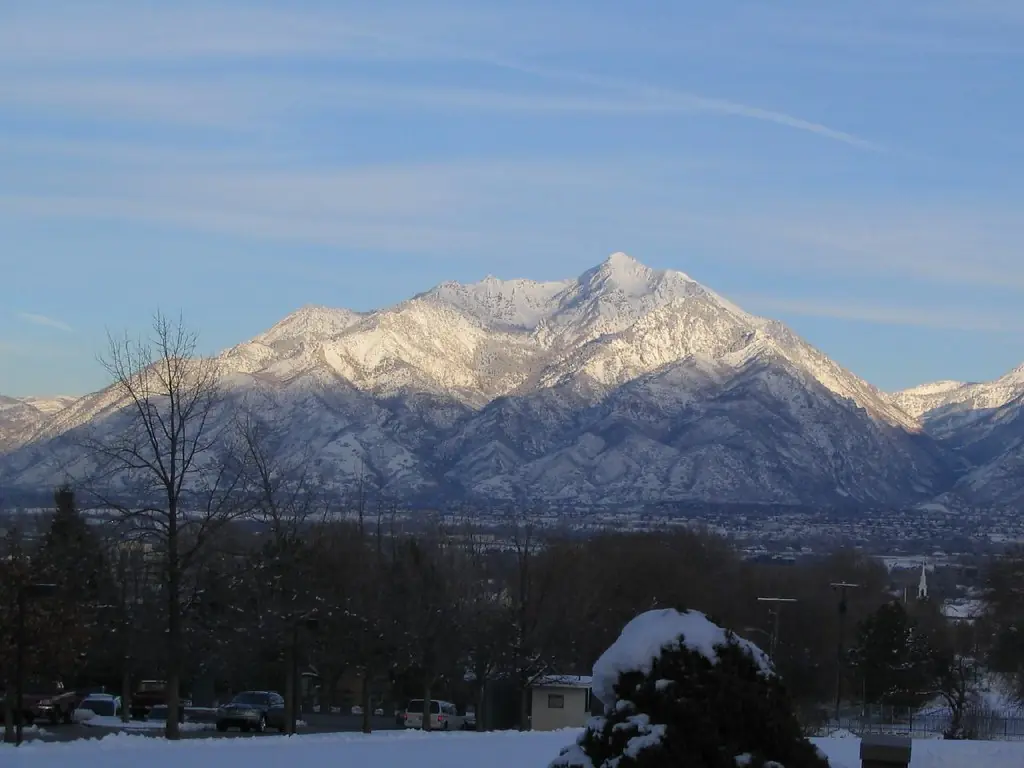
Photo: Wasatch Mountains from South Jordan, Utah by Ken Lund, CC BY-SA 2.0
What runoff season means
Salt Lake City Emergency Management describes spring runoff as the stretch from April to July when creeks swell with snowmelt. Flooding happens when warm weather melts snow fast and stream channels cannot carry it all.
Salt Lake County says every homeowner should be ready, and especially people who live near the natural waterways coming out of the Wasatch Mountains or in the midbench communities on the east side. If a creek runs through or behind your yard, this is about you.
Check your flood risk
Salt Lake County's Runoff Ready site has a mapping application that shows flood risk across the county, and you can also look up your address in the FEMA Flood Map Service Center. Look for whether your property sits in a FEMA regulated 100-year floodplain, which means a 1 percent chance of flooding in any given year.
Being outside the shaded area does not mean water cannot reach you. It only means the odds are lower.
Runoff water in your Salt Lake City basement? Call to reach a local restoration company.
Call (385) 513-0739Sandbags and prep
Salt Lake County gives out 25 free sandbags per day, per vehicle, at the Flood Control sandbag shed at 604 West 6960 South in Midvale. It is open Monday through Friday, 8 a.m. to 3 p.m. You fill your own, so bring a shovel and work gloves. Salt Lake City Emergency Management adds a tip: leave room at the top of each bag so you can tie it shut. If you have never used sandbags, think about where water would come in first. Window wells, a walkout basement door and low spots along the foundation are the usual weak points, so that is where the bags go.
If you buy sandbags elsewhere, the county puts the cost at roughly 15 to 30 cents a bag.
Other steps the city and county recommend before runoff peaks:
- Clear gutters, downspouts and the storm drains nearest your house.
- Make sure your landscaping drains water away from the house.
- Keep yard debris away from stream banks and out of the creek.
- Consider a check valve or sump pump.
- Put important papers in a waterproof container.
When you are done, used sandbags go to the landfill or a designated disposal site. The county says not to put them in curbside bins or dump them in a waterway.
Flood insurance takes 30 days
Standard homeowners insurance does not cover flooding from outside. Salt Lake County and Salt Lake City both point residents to the National Flood Insurance Program for a separate policy.
Timing matters. The city notes that it typically takes up to 30 days for a flood policy to go into effect, and FEMA says the same. Buying in January covers you for a May runoff. Buying when the creek is already high usually does not. To start, ask your insurance agent or call the NFIP at (877) 336-2627.
Who to call when water rises
For debris blocking a waterway, a large debris buildup or overland flooding along a creek, Salt Lake County Flood Control asks people to call (385) 468-6600. Inside Salt Lake City, the Public Utilities 24-hour dispatch line at (801) 483-6700 takes reports of flooding and sewage backups.
During a flood, the city's advice is short: turn around, don't drown. Six inches of moving water can knock you down, and a foot of moving water can sweep a car away. Leave if you are told to, and do not go back until officials say it is safe.
Drying out the basement
Wear gloves and boots for cleanup, watch for electrical hazards, and keep away from floodwater, which the city warns may be contaminated. Photograph the damage for your insurer before you throw anything out.
After that, speed matters. The EPA says wet materials should be dried within 24 to 48 hours to keep mold from growing. Utah's dry air helps the surfaces you can see, but water wicks into drywall, carpet pad and the bottom plates of walls, and that needs extraction, dehumidifiers and moisture readings to dry properly.
Sources
Where these facts come from
Checked 2026-10-31. Rules and phone numbers change, so confirm with the source before you rely on them.
Services
Water Damage Help in Salt Lake City
Water Damage Restoration
Extraction, structural drying, moisture logs and repairs.
Get help →EmergencyEmergency Water Removal
Standing water pumped and extracted, day or night.
Get help →EmergencyFlooded Basement Cleanup
Basement water pumped out, dried and checked.
Get help →EmergencyBurst Pipe Water Damage
Cleanup after frozen, split or leaking pipes.
Get help →EmergencySewage Backup Cleanup
Safe cleanup of sewer backups and toilet overflows.
Get help →Plan aheadMold Remediation
Mold found after a leak, removed and the cause fixed.
Get help →UrgentFire & Smoke Damage
Smoke, soot and firefighting water cleaned up.
Get help →UrgentRoof Leak & Storm Damage
Water through the roof, ceiling or windows after a storm.
Get help →More guides
More Salt Lake City Guides
Water in the House: Who to Call
Is it the city's problem or yours? A quick way to tell, the numbers to have, and what to do while you wait.
Read the guide →Mold After Water Damage
A musty smell weeks after a leak usually means something never fully dried. How big a problem it is, what you can handle yourself, and when to bring in help.
Read the guide →Earthquakes and Water Heaters
Most people think about falling bookshelves when they think about earthquakes. A 40 or 50 gallon tank of water that tips over and snaps its lines can do more damage to your house. Here is how to keep it standing.
Read the guide →Call any time
Flood Damage in Salt Lake City?
Call any time to reach a local water damage restoration company.